EHV-1 Outbreak puts Central Texas horse owners and rodeo athletes on alert
By Anthony Collins
LPR Editor
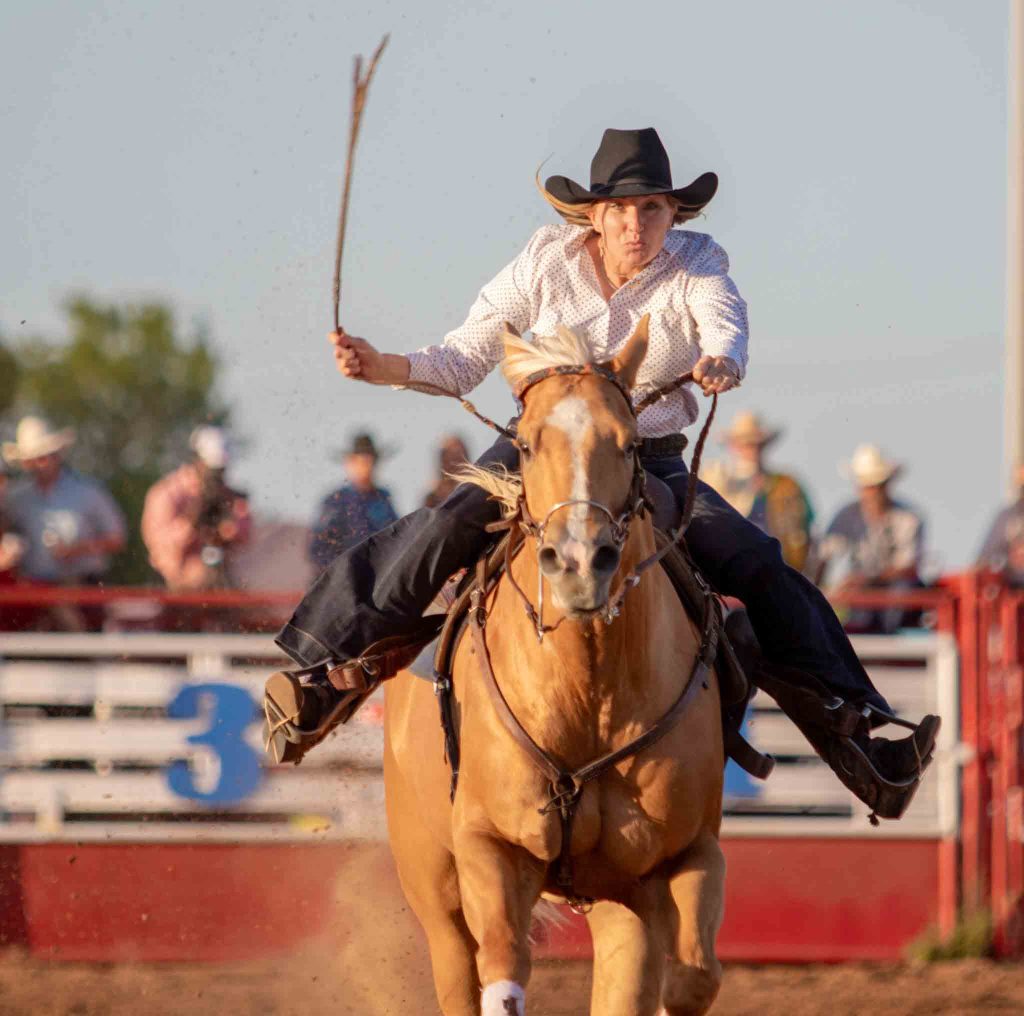
The rodeo world is buzzing, and not in a good way. A fast-moving outbreak of Equine Herpesvirus-1 (EHV-1) has popped up just as horses and competitors are gearing up for the National Finals Rodeo in Las Vegas. With cases still being confirmed across several states, folks are starting to wonder what this means for the biggest rodeo of the year.
The trouble began at the WPRA World Finals & Elite Barrel Race held November 5–9 in Waco, Texas. Since then, at least 27 horses have tested positive for EHV-1 or its more serious neurological form, EHM. After leaving the event, horses returned home to states including Texas, Oklahoma, Colorado, New Mexico, Arizona, Louisiana, and Washington, creating a wide trail of exposure.
For those not familiar with the virus, EHV-1 often causes fevers and respiratory symptoms, but the neurological form can escalate quickly. Affected horses may develop balance issues, hind-end weakness, or even become unable to stand. It’s a dangerous situation for any animal, especially equine athletes at the height of their careers.
The outbreak is already making waves. The National Finals Breakaway Roping, originally scheduled for December 2–4, has been postponed. Other events haven’t been spared either. Several rodeos and qualifiers, including a major San Antonio Stock Show & Rodeo qualifier in Uvalde, have canceled out of caution.
Even with these disruptions, the PRCA and Las Vegas Events say the NFR will go on as planned from December 4–13. Event officials are quick to emphasize that, for now, the main show is still a go, but they’re openly acknowledging that things might look a little different behind the scenes this year.
Anyone hauling horses into Las Vegas should be ready for heightened scrutiny. Horses arriving for the NFR can expect more veterinary checks than usual, including temperature readings and stricter review of health paperwork. Movement around the venue is likely to be more restricted, and horses may be limited to specific areas to avoid unnecessary exposure.
Barn access will be more controlled, too. Media members, photographers, and support personnel who are accustomed to wandering the back areas will likely face new rules, increased supervision, or sanitation requirements. Equipment such as trailers, tack, and even boots may need to be cleaned or disinfected before entering certain areas. It’s all part of a broader effort to keep the virus out of the Thomas & Mack Center and protect the equine athletes who make the NFR possible.
The NFR isn’t just another rodeo, it’s the championship event that riders, ropers, and stock contractors work all year to reach. If a horse tests positive or is confirmed to have been exposed, that competitor could be forced to withdraw. In more extreme cases, a whole set of horses from a particular stock contractor could be placed under quarantine, disrupting planned matchups, altering the draw, and potentially changing the competitive landscape entirely.
Beyond the competition itself, the financial implications are heavy. Additional vet care, diagnostic tests, travel delays, and last-minute changes all take a toll on the pocketbooks of athletes and contractors. Many are already feeling the strain as they scramble to adjust travel plans and paperwork in the final days before the Finals.
This outbreak is prompting conversations across the rodeo community about the future of biosecurity. Many believe this could be a turning point in how the sport manages equine health at major events. The timing and scale of this outbreak have exposed weaknesses in existing systems, and it’s likely that rodeos big and small will revisit their protocols after the NFR wraps up.
People who’ve worked in the industry for years say they’ve never seen an outbreak move quite like this. With horses crisscrossing the country every week on their way to jackpots, rodeos, and qualifiers, the risk of fast spread is always there, this time, it just happened to land right before the sport’s biggest stage.
For now, everyone is watching and waiting. Horses are already arriving in Las Vegas, and organizers are cautiously optimistic that the event can continue without major disruption. But with new cases still emerging, officials know the situation can change quickly.
The next few days will be crucial. If the virus stays contained, the NFR may continue with only minor adjustments. If more cases appear, especially among horses traveling to Nevada, there could be last-minute changes no one wants to see. Either way, the rodeo world will be paying close attention, hoping the sport’s biggest celebration can go forward without becoming the outbreak’s next hotspot.