Why are we still paying more at the pump?
By Anthony Collins
LPR Editor
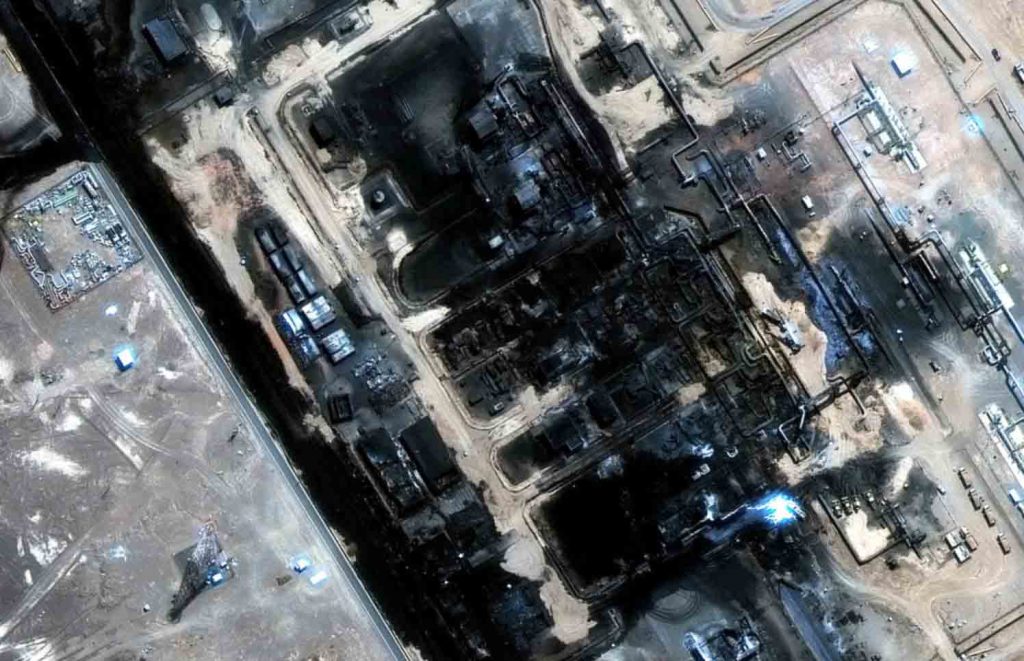
At any gas station in Lockhart, the numbers on the signs are becoming harder to ignore. Regular gas is hovering near $4 a gallon, but the diesel side of the sign is telling an even more troubling story. As of Sept. 14, AAA reported regular gas averaging $3.875 a gallon in its Austin-San Marcos market, the closest published metro benchmark for the Lockhart-San Marcos area, up from $3.70 just one week earlier and $2.85 a year ago. Diesel reached $5.742 a gallon, the highest average AAA has ever recorded for that market. A year ago, that same gallon of diesel averaged about $3.19. Statewide, Texas regular gas averaged $3.849 a gallon, while diesel reached a record $5.840. The national diesel average has now climbed above $6.23 a gallon, also a record. Regular gas actually dipped slightly in the area from Sunday to Monday, so prices are not moving every single day upward, but the larger trend is unmistakable: both fuels cost significantly more than they did a year ago, and diesel has entered territory American drivers have never seen before.
For a family filling a car or pickup, the increase in regular gas hits the household budget immediately. A 20-gallon fill-up at the current price benchmark costs about $77.50. At the average price from a year ago, the same 20 gallons would have cost just under $57. That is more than $20 added to a single fill-up. Multiply that by two vehicles, work commutes, school activities, and trips across the Lockhart-San Marcos area, and the difference adds up quickly. Diesel brings another level of pain. A rancher hauling cattle, a farmer operating equipment, a contractor pulling a trailer or a truck driver moving freight cannot simply decide to stop buying fuel until prices come back down. Diesel is part of the cost of doing business, and when that cost rises by more than $2.50 a gallon in a year, the effect does not stop at the pump.
The question many Texans are asking is understandable. Texas is the country’s largest oil-producing state; the Permian Basin remains one of the world’s most important oil fields, and U.S. crude production is near record levels. So why isn’t gas cheaper? And why, with so much oil being produced, has diesel climbed to record prices? The latest federal numbers make the question even more interesting. U.S. crude production reached an estimated 13.947 million barrels per day during the week ending Sept. 4. The Energy Information Administration expects the country to average about 13.8 million barrels per day for all of 2026, which would surpass the record set in 2025. U.S. refineries were also running at 97.8 percent of operable capacity during that same week. Those numbers do not support the simple argument that America has stopped producing oil or that refineries are sitting idle. The problem is further down the line and increasingly global.
Crude oil is only the beginning of what eventually becomes a gallon of gas or diesel. Oil has to be transported, refined into different products, moved through pipelines and terminals, and eventually delivered by truck to a local station. When crude prices rise, that puts pressure on both gas and diesel. When refinery capacity becomes tight, however, the price of the finished products can rise even faster. That is exactly what has been happening. The EIA reported that gas refining margins have been unusually high because gas supplies are tight around the world. Since May, gas crack spreads, essentially the difference between the cost of crude oil and the wholesale value of the gas produced from it, have been dramatically higher than last year. Global refinery disruptions in Russia, China, and the Middle East have reduced supply, and at the same time, international buyers have looked increasingly toward U.S. refiners for replacement fuel. U.S. gas imports have also been running well below their recent five-year average.
Gas inventories are part of the problem as well. In late August, U.S. gas inventories were about 6 percent below their five-year average. That does not mean stations are about to run dry, but it does mean the market has less protection when something goes wrong. A refinery outage, hurricane, pipeline problem, or sudden increase in overseas demand becomes more important when inventories are already tight.
Central Texas generally benefits from its proximity to the massive Gulf Coast refining network, which helps keep Texas gas prices below the national average. But Texas is not isolated from the rest of the world. Gulf Coast refineries sell into an international market, and a gallon produced near Houston can ultimately compete for buyers in the United States, Latin America, Europe, or elsewhere. That global competition is one reason record American oil production does not automatically produce cheap gas in Lockhart.
Diesel is facing all of those same problems, and then some. In late August, U.S. distillate inventories, the category that includes diesel and heating oil, were about 14 percent below their five-year average, more than twice the shortfall seen in gas stocks. The EIA’s September outlook warns that U.S. distillate inventories could fall below 100 million barrels and remain below their recent five-year low through the end of 2026 and much of 2027. Diesel refining margins are also considerably higher than those for gas. Since March, the distillate crack spread has averaged about 74 cents per gallon more than the gas spread, and the EIA expects average diesel crack spreads to remain above $2 per gallon from August through November. In plain language, diesel itself has become extraordinarily valuable even after accounting for the price of the crude oil used to make it.
The global situation became even more uncertain over the weekend. Saudi Arabia’s East-West oil pipeline was shut down following drone attacks that were launched from Iraqi territory targeting the Riyadh and Medina regions and threatening a route capable of moving roughly 4 million barrels of oil per day toward the Red Sea and around the troubled Strait of Hormuz. That amount represents roughly 4 percent of global oil supply. Reuters reported that Saudi storage at the Red Sea port of Yanbu could cover only about five to seven days of exports at current levels if the pipeline remained unavailable. On Monday, Sept. 14, crude prices moved sharply higher as traders reacted to the Saudi pipeline outage and additional threats to ships and energy infrastructure in the region. Brent crude climbed above $107 a barrel, while U.S. crude moved above $102. The latest disruption matters because the problem is no longer confined to refining. The cost and availability of crude oil itself are once again under heavier pressure.
That international connection may seem a long way from Caldwell County, but it reaches Central Texas faster than many people realize. Oil and refined fuels are traded commodities. If a major pipeline is damaged in Saudi Arabia, refinery production is lost in Russia, shipping through the Strait of Hormuz becomes more difficult, or overseas buyers suddenly need more American diesel, traders immediately begin putting a higher value on the barrels that remain available. Those changes move through wholesale fuel markets and eventually reach distributors and local stations. It does not happen because someone in the Middle East directly sets the price on a pump in Lockhart. It happens because the local station is buying a product whose value was determined through a much larger supply chain.
Taxes are another frequent explanation when prices rise, but they cannot account for the current difference between regular gas and diesel. Texas imposes the same 20-cent-per-gallon state motor fuel tax on both fuels. The federal tax is higher on diesel, but only by about six cents per gallon compared with gas. In the closest published AAA metro benchmark for the Lockhart-San Marcos area, diesel currently costs approximately $1.87 more per gallon than regular gas. Whatever argument one makes about taxes, a few additional cents cannot explain a difference approaching $2 per gallon. The much larger factors are crude prices, refinery economics, tight inventories, and international demand. For us, diesel may ultimately have the larger economic impact because its cost is built into so many other things. Farmers use diesel in tractors, harvest equipment, and trucks. Ranchers depend on it to move cattle, hay, and feed. Construction companies operate diesel pickups, loaders, excavators, and other heavy equipment. Nearly everything sitting on a grocery store, hardware store, or feed store shelf has spent part of its journey on a truck. When transportation costs climb, businesses have three choices: absorb the difference, cut costs somewhere else, or eventually pass at least part of it along to customers.
There is new evidence of that pressure showing up in agriculture. Reuters reported Sept. 14 that fuel surcharges on U.S. grain shipments by rail have increased 153 percent from a year ago, reaching an average of about 48 cents per rail-car mile as the fall harvest begins. Those fuel surcharges now account for roughly 11 percent of rail transportation costs for corn and soybeans, compared with about 5 percent a year ago. The immediate impact falls heavily on farmers, particularly those who depend on rail to move crops, but transportation expenses do not stay confined to one industry. Higher costs to move grain can eventually affect livestock feed, food production and other parts of the agricultural economy. For rural communities across Texas, that makes the diesel price more than a transportation story. It becomes an agricultural and consumer-price story as well.
There is also a limit to how quickly American refiners can respond. Refinery executives have reportedly argued that expanding and improving current facilities would be more realistic than attempting to build entirely new refineries, which can take years. That discussion itself says something about the current problem: producing another barrel of crude oil is not the same thing as adding another barrel of gas or diesel to the market. Refining remains the bridge between the two.
There could eventually be relief for gas. The end of the summer driving season normally reduces demand, and stations eventually transition to less expensive winter-grade gas. If global tensions ease, crude prices fall and gas inventories rebuild, drivers could begin seeing lower prices. Diesel may be more stubborn. Fall brings refinery maintenance, and at the same time, farmers and other agricultural operations increase their fuel use during harvest season. Winter then increases demand for heating oil, which competes with diesel within the same distillate portion of the barrel. The EIA expects those seasonal pressures, combined with already-low inventories, to keep diesel prices unusually high in the months ahead.
There is one point worth keeping clear in a debate that quickly becomes political. The current numbers do not support blaming the entire situation on one president, one political party, one oil company, one tax, or one regulation. U.S. oil production is near a record. Refineries are running close to their practical limits. At the same time, global refining disruptions have reduced gas and diesel supplies, American inventories are tighter than normal, crude oil prices have climbed because of international conflict, and U.S. refiners are supplying a global market willing to pay for their products. Every one of those things can be true at the same time.
For the local family watching $70 or $80 disappear into a gas tank, the explanation does not make the bill any easier to pay. It is even harder for the rancher pulling a stock trailer through Caldwell County, the contractor filling several diesel pickups, or the truck driver watching a $6-plus national diesel average eat into operating costs. Every extra dollar spent on fuel has to come from somewhere, and eventually some of those costs make their way through the economy.
Texas is not short of oil in the ground, and America is not suffering from a lack of crude production. What the market is short of right now is something different: comfortable gas and diesel inventories, spare refining capacity, and stability in the global system that moves crude and finished fuel around the world. Until those pieces begin moving in the same direction, regular gas is likely to remain a burden for families throughout the Caldwell County area.