When the lights go out: are you prepared?
By Anthony Collins
LPR Editor
Most of us don’t think much about electricity until the lights go out. We flip a switch, turn on the television, charge our phones, and open the refrigerator without giving it a second thought. But what happens if the power doesn’t come back on for hours? What if it’s days or even a week before things return to normal? It’s a situation nobody wants to deal with, but for families across Caldwell County and Central Texas, it’s something worth thinking about before it happens.
We’ve seen what Mother Nature can do in Texas. Winter freezes, severe thunderstorms, high winds, and extreme heat have all caused problems with our electrical system.
Now there’s another concern getting attention across the country, and it has nothing to do with the weather. Cyberattacks targeting the computer systems that help operate our electricity, water, and other essential services are becoming an increasingly serious threat.
In late July, hackers targeted more than 30 community water systems in Minnesota. In Braham, the attack actually shut down computerized controls for the city’s well and water treatment plant, temporarily forcing residents to conserve water. Similar attacks were reported in New Jersey, Michigan and Georgia. In Clayton County, Georgia, a water-system failure left some customers with low pressure or no water and prompted a boil-water advisory. Officials there investigated whether unauthorized cyber activity contributed to the problem, although that connection had not been confirmed. The FBI reported incidents involving water and wastewater utilities in at least seven states. Many of the affected communities were able to restore operations without lasting interruptions to drinking-water service.
This week, Reuters reported that the Pentagon is investigating suspicious freezer malfunctions at several U.S. military bases as possible cyberattacks. The incidents reportedly spoiled food, although investigators have not confirmed what caused the malfunctions. Another report, published October 26 by Fortune, described the Pentagon plans to eventually prepare major military installations to operate for up to 90 days without depending on outside power and critical supplies. Neither report suggests that a nationwide blackout is about to happen, but both show how seriously officials are taking the possibility of major disruptions.
Now, before anyone starts thinking the sky is falling, these reports don’t mean we’re about to lose electricity here in Caldwell County. They do, however, raise a pretty reasonable question. If something happened tomorrow and your household lost electricity and possibly running water for several days, would you be ready?
According to the Centers for Disease Control and Prevention, a refrigerator generally keeps food safe for about four hours without electricity, provided the door stays closed. A full freezer can maintain safe temperatures for approximately 48 hours, while a half-full freezer may last only 24 hours. After that, you’re potentially looking at throwing away hundreds of dollars in groceries.
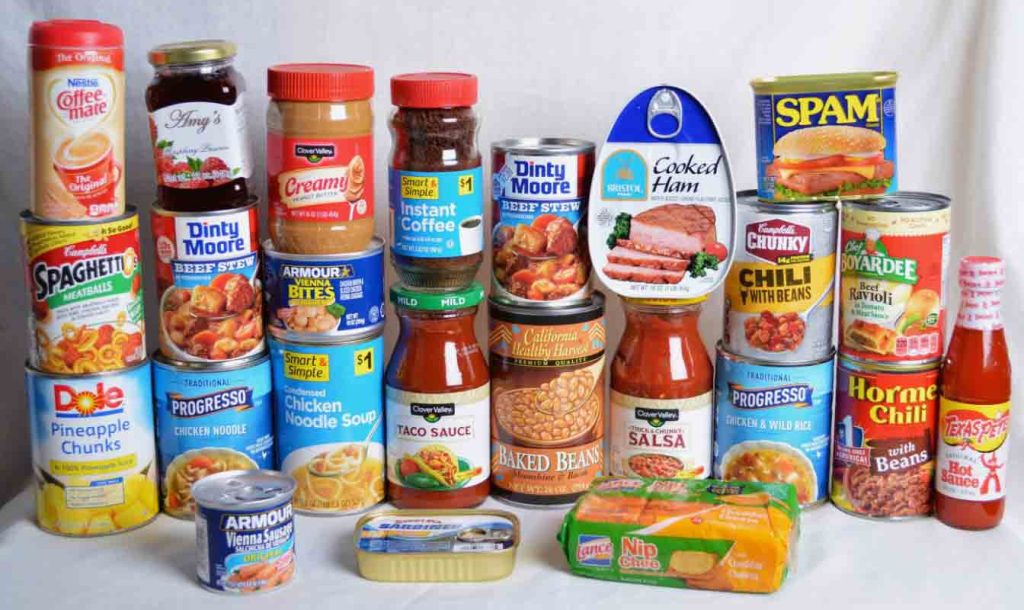
That’s where having a little extra food stored away can make a big difference. We’re not talking about turning your garage into a grocery warehouse. A few shelves stocked with canned meats, vegetables, soups, beans, peanut butter, crackers, and other foods that don’t require refrigeration can go a long way. You need food that can be prepared without needing a stove or microwave. And don’t forget a manual can opener.
Water is another concern, and probably one of the most important. Emergency preparedness experts recommend storing at least one gallon of water per person per day for drinking and basic sanitation.
Don’t forget about your pets, either. If the power goes out, turning on the kitchen faucet might not be an option.
Then there are all the other little things we take for granted. Cellphones need to be charged, medical equipment may require electricity, and a house without lights gets dark in a hurry. Flashlights, battery-powered lanterns, extra batteries, portable phone chargers, and a weather radio are all needed. Keeping some cash on hand isn’t a bad idea, either. If electronic payment systems go down, that debit card in your wallet might not do much good.
Generators can certainly make an outage easier to manage, but they also come with serious safety concerns. Portable generators should always be operated outdoors, at least 20 feet away from doors, windows, and vents. Never use one inside a house or garage, and never connect a generator directly to a household electrical outlet. Carbon monoxide poisoning is a real danger, and improper electrical connections can put utility workers at risk. Homes using generators should also have working carbon monoxide detectors.
Elderly neighbors or a family member who depends on medical equipment should be checked on often.
The good news is that getting prepared doesn’t have to cost a fortune. You don’t need to run out tomorrow and spend several hundred dollars stocking up on emergency supplies. Start small. The next time you’re grocery shopping, pick up a couple of extra cans of food, a package of crackers, or another case of bottled water. Keep an eye on expiration dates and rotate the food into your regular meals so nothing goes to waste.
Having enough supplies for at least three days is a good start, but planning for a week or longer gives your family a little more breathing room. There’s nothing wrong with being prepared, even if those supplies sit on a shelf for months without being needed.
Emergency Food Pantry Suggestions:
Keeping a supply of non-perishable food doesn’t have to be complicated. Here are some items worth adding to your next grocery list.
• Canned meats
•Canned vegetables, beans and fruits.
• Ready-to-eat meals: Chili, beef stew, canned pasta, and soups.
• Peanut butter
•Crackers
• Breakfast foods such as cereals, granola bars, and protein bars.
• Dried fruits, Mixed nuts, trail mix, pretzels, and jerky.
• Beverages including bottled water, powdered milk, juice boxes, and electrolyte drinks.
• Other items like honey, jelly, packaged tortillas, and rice cakes are good as well.
• Foods needing preparation like rice, pasta, instant oatmeal, and instant potatoes are shelf stable provided you have safe water and a safe way to prepare them.
• Special needs like baby food, ready-to-feed infant formula, medicine, firewood, and pet food are sometimes overlooked.
• A few other things worth having are a manual can opener, flashlights, batteries, first-aid supplies, portable phone chargers, a battery-powered radio, and enough drinking water for everyone in the household.