
Quiet heroes before, during and after the storm hits
By Anthony Collins
LPR Editor
When an ice storm settles over Caldwell County, it doesn’t announce itself with thunder or wind. It arrives quietly, layer by layer, turning roads, trees, fences, and power lines into frozen glass. The first warning is often subtle: a flicker of lights, a brief hum, and then silence. Homes grow colder. Water wells stop pumping. Phones begin to die. Darkness feels heavier, closer.
During the recent winter ice storm, that silence spread unevenly but noticeably across the county. In total, 18 individual outages were reported in Caldwell County, affecting 183 members. For those households, the loss of power was immediate and personal, disrupting heat, water, and daily routines in a matter of moments.
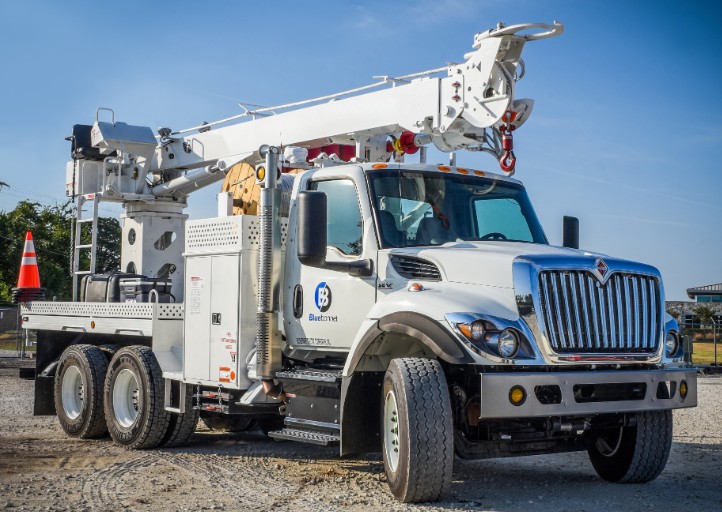
For most of us, that silence signals retreat. For Bluebonnet Electric Cooperative linemen, it is the call to move. While families pulled on extra blankets and gathered indoors, linemen were pulling on insulated gear, climbing into trucks, and driving straight toward the worst conditions the storm had to offer. Ice storms do not wait for daylight, weekends, or holidays, and neither do the men and women tasked with restoring power. Nights blurred into mornings. Sleep came in fragments. Comfort was postponed indefinitely.
Bluebonnet does not assign field crews by county, instead deploying them wherever outages demand attention. During this winter storm, more than 400 men and women were working across the service area to respond to outages, restore power, and communicate with members. In Caldwell County, most outages were traced to blown fuses rather than heavy ice accumulation, a small technical distinction that still required boots on the ground, careful troubleshooting, and long hours in unforgiving conditions.
Their work is punishing in ways most people never witness. Ice transforms power lines into lethal hazards, loading them with crushing weight that snaps poles like matchsticks and turns routine repairs into life-threatening operations. Linemen climb slick poles and lean from buckets in freezing rain, high winds, and limited visibility. Gloves stiffen. Tools ice over. One misstep, one moment of miscalculation, can cost a life. Yet they climb anyway, because someone at the other end of that line is waiting.
Exhaustion becomes a constant companion. Sixteen-, eighteen-, and even twenty-four-hour shifts are common during major outages. Meals are rushed or skipped. Coffee grows cold. Hands shake from fatigue long before fear sets in. Still, the work continues, methodical, disciplined, and driven by a quiet resolve that rarely seeks recognition.
Thanks to that effort, power outages related to the winter storm in Caldwell County were fully restored by around noon on Sunday. A few sporadic, individual outages followed on Sunday and Monday, but the bulk of members were back online within roughly a day of the storm’s onset, a testament to preparation, coordination, and relentless fieldwork.
But when the power goes out, electricity isn’t the only lifeline.
Across the county, propane companies step into the same storm with the same sense of duty. When temperatures drop and tanks run low, these workers don’t stop because the office is technically closed. They take late calls. They reroute deliveries. They stay open past closing time to refill tanks for families trying to stay warm, cook meals, or keep generators running through the night.
Ahead of last Saturday’s storm, Martindale Guadalupe Gas Company opened at 6:30 a.m. to begin filling bottles, quietly preparing while most of the county slept.
Driving icy back roads with heavy loads is no small task. Stopping at dark homes after hours isn’t convenient or safe. But propane drivers show up anyway, knowing that without that delivery, a family may be facing a dangerously cold night. Their work rarely makes headlines, but its impact is immediate and deeply personal.
What unites linemen and propane workers is more than their job descriptions. It is a shared understanding of responsibility. They know that warmth, light, comfort, and in some cases, survival depend on their willingness to step forward when conditions are at their worst. And like so many essential workers, they do it without expectation of praise.
In Caldwell County, that matters. These workers aren’t strangers passing through. They are neighbors. They live here. They raise families here. When they restore power or refill a propane tank, they aren’t helping “customers”, they’re helping people they might see at the grocery store, the ball field, or church on Sunday. As someone who has seen hardship up close and understands how quickly life can change when things go wrong, I do not take that dedication lightly. Gratitude is more than a courtesy; it is recognition of sacrifice. It is acknowledging that our sense of normalcy is often carried on the backs of people willing to work in the cold, the dark, the rain, and the danger.
So, this is my thank you. Thank you to the electrical linemen who work while others shelter. Thank you to the propane companies that answer late calls and open their doors when they don’t have to. Thank you for restoring light, warmth, water, and hope when storms test our limits. Your work matters. Your sacrifice matters. And here in Caldwell County, it does not go unnoticed.