The Mental Load We Carry
By George Barrera
Martindale Community Library
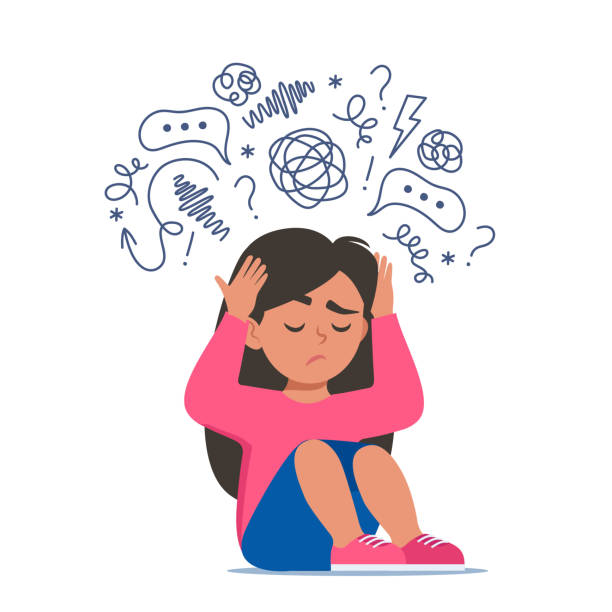
Sometimes stress doesn’t come from just one big problem or major event. It also comes from constantly thinking about and trying to remember everything that needs to be done.
From our work schedules, appointments, bills, family schedules, household needs, and unanswered messages, things can continuously stay active in the background of our mind.
While we are working on getting one task done, we are already thinking about the next two on the list. Our mental load includes things such as anticipating, planning, remembering, and following up. Take an appointment as an example, it is not just about making the appointment but there is also checking if we have any potential conflicts, remembering the day and time, and also arranging our transportation. When we tell others we need to make an appointment much of this work is invisible to them but weighs on us.
On the outside, someone can appear calm, collected, and organized while their mind is constantly running through everything that still needs to get done. This constant mental tracking makes it difficult to relax and can lead to irritability, difficulty concentrating, and struggling to fall asleep at night as our minds keep reviewing tasks even when the day is done.
But feeling overwhelmed does not mean we are failing. This is a good time to check in with ourselves and see if we are holding too much in our mind. When things get overwhelming, there are practical ways to help lighten that load. Try writing tasks down, on a calendar or notepad, instead of trying to remember everything. Understanding that everything does not need to be done right now and taking the time to decide what really needs our attention today and what can wait for tomorrow or later. Building pauses into our day, whether it is just getting up from our desk for a few minutes or going outside to get some fresh air and sun, can provide a space that allows use to refresh, refocus, and help calm down our racing thoughts. Sometimes, talking about it out loud helps us realize how much we really are carrying.
Peer support provides a place to slow down, talk through what feels overwhelming, and be heard without judgement. Visit the Martindale Public Community Library on Thursdays and Fridays from 12:00 p.m. to 4:00 p.m., where we offer a welcoming place to connect and be heard with a Texas Certified Mental Health Peer Specialist.
La carga mental que llevamos
Por George Barrera
A veces, el estrés no proviene de un solo problema grande ni de un acontecimiento importante. También aparece cuando pasamos el día pensando en todo lo pendiente y tratando de no olvidar nada: horarios de trabajo, citas, pagos, actividades familiares, necesidades de la casa y mensajes sin responder. Todo eso permanece activo en segundo plano. Mientras terminamos una tarea, la mente ya está repasando las dos que siguen. Esa carga mental incluye anticipar, planear, recordar y dar seguimiento. Pensemos, por ejemplo, en una cita: no basta con agendarla; también hay que revisar si coincide con otro compromiso, recordar el día y la hora y organizar el transporte. Para los demás, buena parte de ese trabajo puede ser invisible, pero para quien lo lleva representa un peso real.
Por fuera, una persona puede parecer tranquila, serena y organizada, mientras por dentro repasa sin descanso todo lo que falta por hacer. Mantener ese control mental constante dificulta relajarse y puede provocar irritabilidad, problemas de concentración o dificultad para conciliar el sueño, porque la mente sigue revisando pendientes aun cuando el día ya terminó. Sentirnos abrumados no significa que estemos fallando. Puede ser una señal para detenernos y reconocer si estamos tratando de guardar demasiado en la cabeza. Hay maneras prácticas de aligerar esa carga: anotar las tareas en un calendario o una libreta, en vez de intentar recordarlo todo; aceptar que no todo tiene que resolverse de inmediato; y decidir qué requiere atención hoy y qué puede esperar. También ayuda hacer pausas durante el día, aunque solo sea levantarse unos minutos del escritorio o salir a tomar aire fresco y un poco de sol. Ese espacio permite recuperar energía, volver a enfocarnos y calmar los pensamientos acelerados. A veces, decir en voz alta lo que sentimos nos ayuda a reconocer cuánto estamos cargando. El apoyo entre pares ofrece un espacio para bajar el ritmo, hablar de aquello que nos rebasa y sentirnos escuchados sin juicios. Visite la Martindale Public Community Library (Biblioteca Pública Comunitaria de Martindale) los jueves y viernes, de 12:00 p. m. a 4:00 p. m. Ahí encontrará un lugar acogedor para conversar y ser escuchado por un Texas Certified Mental Health Peer Specialist, es decir, un especialista certificado en Texas para brindar apoyo entre pares en salud mental.