Cemetery at center of $6.7M infrastructure dispute in Martindale
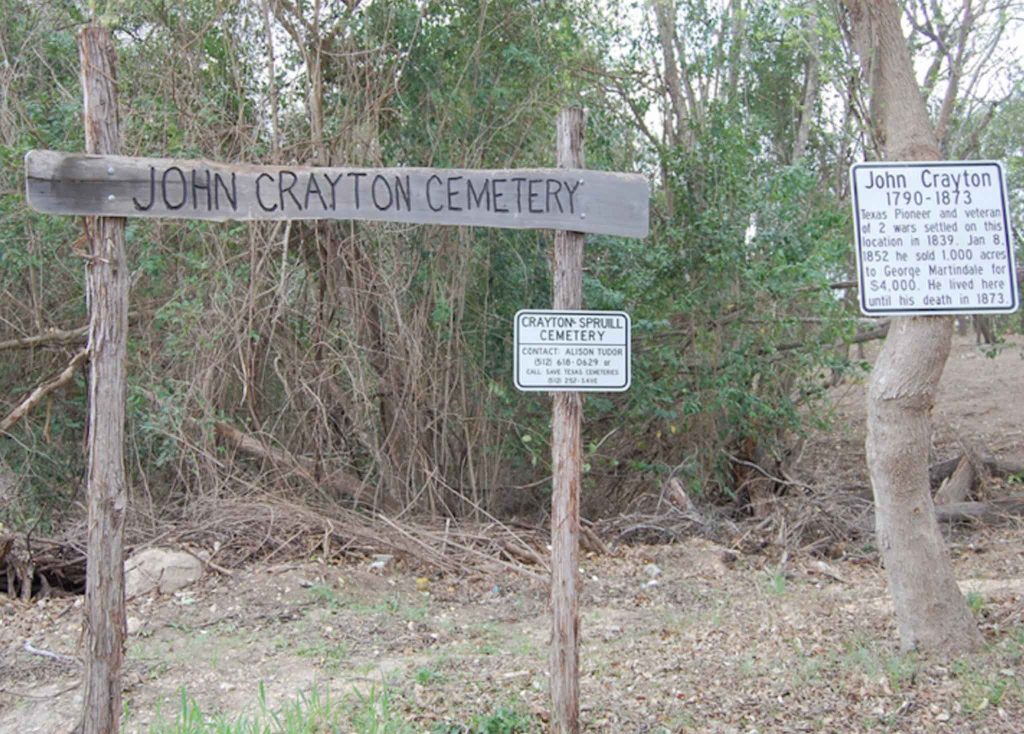
A century-old cemetery in Martindale has become the unlikely battleground in a clash between history and progress. At the center of the dispute: 29 unmarked graves, likely belonging to formerly enslaved people, and a $6.7 million federally funded road and drainage project that could impact their final resting place.
In 2023, a radar survey commissioned by Cindy Woolley revealed the graves beneath the uneven grounds of Crayton-Spruill Cemetery. Woolley, a descendant of early landowner John Crayton, said her family sought to better understand the land’s history, particularly the burial sites, which were long believed lost due to Ku Klux Klan desecration a century ago.
Court records and local lore suggest the Klan removed and discarded the headstones of enslaved individuals into a nearby river and ravine, leaving the cemetery unmarked and vulnerable. Today, residents fear that history may repeat itself, this time through bulldozers and drainage culverts.
The proposed construction would overhaul NW River Road, a key connector in the town, and reroute stormwater into a ravine within feet of the cemetery. Critics argue that the project risks erosion and further desecration of the graves. Supporters contend the improvements are vital for public safety and long-term infrastructure resilience.
Tensions flared at a city council meeting in July, where Martindale Mayor Laura Sanchez Fowler acknowledged both the ethical weight of the cemetery’s legacy and the practical limitations of grant timelines and budgets.
“It doesn’t feel right,” Fowler told KXAN. “There are slaves that are buried there. We have a whole history of the KKK coming through and defiling the graves.”
The city’s grant, sourced from a $4.2 billion HUD allocation following Hurricane Harvey, is administered by the Texas General Land Office. Project delays now threaten to miss critical deadlines, potentially forcing Martindale to repay over $1 million already spent—an amount that could bankrupt the city, according to Fowler.
Meanwhile, disagreements between city leaders have grown heated. Councilmember Mike McClabb, a vocal advocate for continuing the project, argued at the July meeting that a small group should not halt improvements benefiting the entire community.
“It is not fair for a half dozen people in this town to try to stop this project that benefits everybody,” McClabb said.
The debate escalated to the point that Fowler nearly had McClabb removed from the meeting, citing disruptions and heated exchanges.
With a lawsuit over the cemetery’s ownership still pending, and the Texas Historical Commission halting construction until the matter is resolved, the project’s future remains in limbo. The city council has tabled the motion to cancel the grant, pending consultations with engineers, attorneys, and the GLO.
Whether Martindale’s future includes a renovated road or the preservation of its historical past—or somehow both, remains uncertain.