The Origins of Halloween: From Ancient Traditions to Trick-or-Treating
By Anthony Collins
LPR Editor
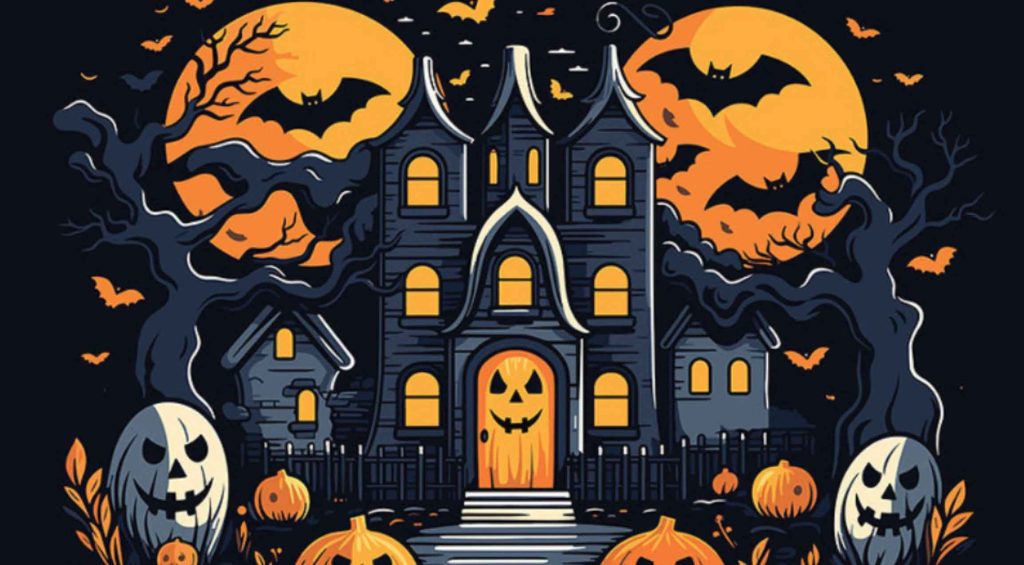
Every year on October 31, millions of people around the world dress up in costumes, carve pumpkins, and fill their bags with candy. But long before Halloween became a celebration of ghosts and goblins, it began as something much deeper, a mix of ancient Celtic traditions, medieval customs, and Christian influences that evolved over centuries.
Halloween traces its earliest roots to Samhain (pronounced Sow-in), a festival celebrated by the ancient Celts over 2,000 years ago in what is now Ireland, the United Kingdom, and northern France. Samhain marked the end of the harvest season and the beginning of winter, a time the Celts associated with death and the supernatural.
They believed that on the night of October 31, the boundary between the living and the dead blurred, allowing spirits to return to the world of the living. To protect themselves and honor the departed, people lit bonfires and wore animal-skin costumes to disguise themselves from wandering spirits.
When the Romans conquered Celtic lands in the first century A.D., they blended their own festivals with Samhain traditions. The Roman festival Feralia, honoring the dead, and Pomona, celebrating the goddess of fruit and trees, likely contributed to modern symbols like the apple, which later inspired the game of bobbing for apples.
By the 9th century, the Christian church sought to replace pagan customs with church-sanctioned holidays. All Saints’ Day (also known as All Hallows’ Day) was established on November 1 to honor saints and martyrs, and the night before, All Hallows’ Eve, eventually became known as Halloween.
During the Middle Ages, European villagers began “souling,” a tradition where poor people would visit homes and offer prayers for the dead in exchange for food or “soul cakes.” Children soon took up the practice, marking the early beginnings of trick-or-treating. Dressing up in costumes, often of ghosts or saints, became a way to represent or ward off spirits.
When Irish and Scottish immigrants came to America in the 19th century, they brought their Halloween customs with them. Over time, these traditions blended with American culture, giving rise to the modern Halloween we know today, a mix of community gatherings, costume parties, ghost stories, and pumpkin carving.
Speaking of pumpkins, the now-iconic jack-o’-lantern comes from an Irish legend about “Stingy Jack,” a trickster who roamed the earth with only a carved-out turnip to light his way. In America, pumpkins were more plentiful and easier to carve, and the rest is history.
By the early 20th century, Halloween in the United States shifted from a night of mischief to one of festivity and family fun. Schools and communities began organizing safe celebrations, and trick-or-treating became a widespread tradition after World War II, fueled by candy companies and suburban neighborhoods.
Today, Halloween has become a global phenomenon, it’s a $10 billion industry filled with creativity, nostalgia, and just the right amount of spookiness. Yet beneath the costumes and candy, the heart of Halloween remains the same: a night to celebrate the mystery between light and darkness, life and death, and the joy of imagination.