Tiny pest poses big problem for Central Texas
By Anthony Collins
LPR Editor
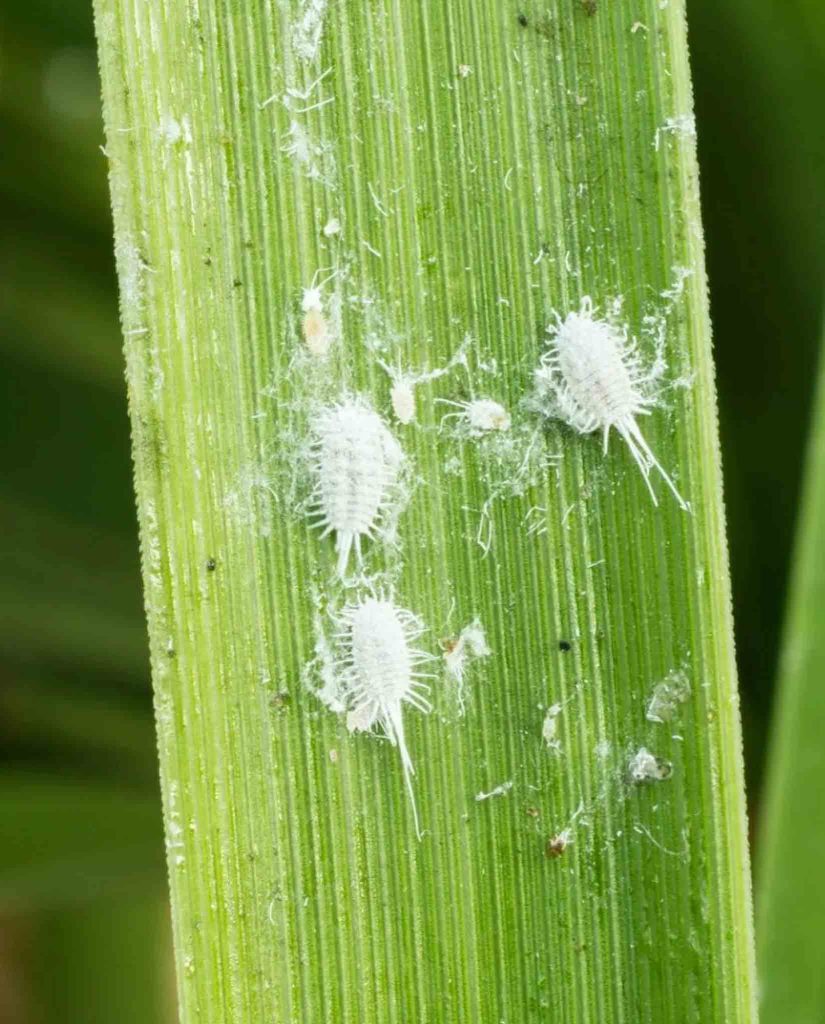
A tiny white insect is creating a growing concern for farmers and ranchers across Texas, including producers in Central Texas who depend on healthy pastures for hay, cattle grazing and forage production. The pest is called the pasture mealybug, an invasive insect that feeds on warm-season grasses and can cause what experts call “pasture dieback.” Texas A&M AgriLife Extension officials say the insect was first confirmed in Texas in 2025 and has now been confirmed in 70 counties across the state. It has been found feeding on important forage grasses, including Bermuda grass, Bahia grass, bluestems, johnsongrass and other pasture species.
For ranchers, the problem is simple: when the grass dies, so does the grazing. The pasture mealybug does its damage during its immature stage. The small insects feed on plant sap and inject toxins into the grass, weakening the plant and causing yellowing, reddening, stunted growth and, in severe cases, complete pasture loss. Texas A&M AgriLife Extension reports that affected pastures can turn brown, thin out or die outright.
That can hit local producers in several ways. Ranchers may be forced to buy more hay or supplemental feed, reduce stocking rates or move cattle to healthier pastures. Hay producers could see lower yields, damaged stands and, in some cases, the expensive need to reestablish fields. AgriLife Extension economists estimate annual forage, and grazing losses statewide could range from about $100 million to more than $1 billion, depending on how far the pest spreads and how severe infestations become. If widespread replanting is needed, costs could reach another $1 billion to $2 billion statewide.
Central Texas is already feeling the pressure. In its latest crop and weather report, Texas A&M AgriLife noted “widespread flare-ups” of pasture mealybug in the Central district, with poor effectiveness reported from insecticide spraying and heavy hay yield losses expected from stand kill. The pest has also been reported on urban lawns in at least one city. One of the biggest challenges is that there is not yet a proven, widely available solution. Texas A&M AgriLife officials say there are currently no labeled pesticide products approved to effectively control pasture mealybug. Researchers are testing management options, but for now, recommendations focus mostly on early detection and pasture management.
Producers are encouraged to scout pastures regularly, especially areas with thick grass, fence lines, ungrazed patches, roadsides and spots that appear drought-stressed even after rain. The insects are small, waxy and white, often looking “fuzzy” on grass blades or near the base of plants. They may also be found in leaf litter, soil or under dried cow patties. Experts also recommend cutting or grazing dense grass canopies when infestations are suspected. Shorter grass can make conditions less favorable for the insect and may help reduce populations. In heavily infested hay fields, early cutting may help preserve hay quality before the grass dies. Cleaning equipment before moving from an infested pasture to a clean one is also recommended, since mealybugs may be moved by machinery, livestock, clothing or possibly wind.
The pasture mealybug does not directly harm cattle, but it attacks one of the most important parts of a ranching operation: the forage base. For Central Texas ranchers already dealing with high input costs, changing weather and other pest pressures, the mealybug adds another layer of uncertainty. Texas Agriculture Commissioner Sid Miller previously urged producers to take the threat seriously, saying early identification is critical and asking landowners to report suspicious symptoms or insects to the Texas Department of Agriculture or their local AgriLife Extension office.