Development could bring big changes to the County
By Anthony Collins
LPR Editor
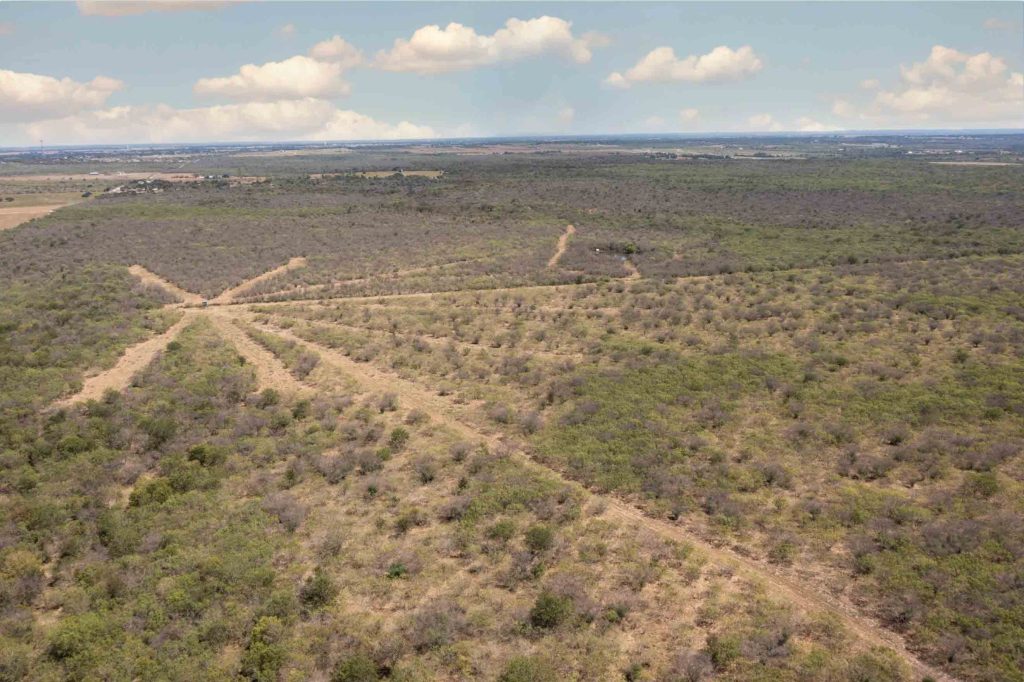
Photo courtesy of RREAF Holdings.
Project Overview & Scope___________
• Scale: Spans 3,131 total acres, featuring a 500-acre industrial development known as the Mirada Business Park.
• Residential Units: Original scope projected 4,000–6,000 single-family homes, 3,000 multifamily units, and 2,500 build-to-rent properties.
• Commercial Use: Designated zoning for retail, restaurants, hotels, healthcare facilities, and offices.
• Location & Access: Situated around FM 107 & State Highway 130, utilizing a planned diamond interchange for direct highway access.
• Financing Structure: Backed by the Caldwell County Municipal Utilities District #1 (MUD), the first of its kind in the county, to issue bonds for infrastructure like roads, water, and waste utilities.
Caldwell County may soon have a familiar conversation on a much bigger scale: How much growth can the county handle, and who will ensure the roads, water, and other services are ready? A 3,130-acre development called Mirada, planned near Martindale, along State Highway 80 and 130 Toll Road, is back on the agenda after several quiet years. Commissioners are scheduled to discuss a proposed development agreement; however, nothing has been approved, and many details remain unsettled, but the project could eventually bring thousands of new homes and businesses to an area that still feels rural to many of its longtime residents.
Dallas-based RREAF Communities first announced plans for the property in 2022. Its early vision included 4,000 to 6,000 single-family homes, about 3,000 apartments and 2,500 build-to-rent homes, along with shops, restaurants, offices and recreation areas. Those were possibilities, not final plans. Construction was originally expected to begin in 2023, with the first homes envisioned by 2025. Those dates passed without the planned neighborhood taking shape. The current proposal covers roughly 3,130 acres, and the developer has not publicly confirmed how many homes would ultimately be built or when construction might start.
Representatives of Plum Creek Caldwell, LP, have asked to discuss an agreement setting out how the county would review permits and different stages of construction. An Oct. 14 letter points to water protection, drainage, floodplain management, roads, fire protection, and coordination with utilities. The proposed agreement itself was not included in the publicly posted meeting materials. That leaves a basic set of questions unanswered: What exactly is being promised, who would pay for needed improvements, and how would those promises be enforced?
For residents, these are real concerns that could affect their daily lives. Thousands of additional households could mean more cars on State Highway 80 and nearby roads, more demand for water and wastewater service, and more calls for firefighters, deputies, and ambulances. Schools could feel the impact, too. The development might also bring customers for local businesses, construction jobs, and new tax revenue. Both sides of that equation deserve attention, particularly when roads and emergency services may need upgrades before new revenue can cover additional expenses. Growth can be good for a county, but only if the costs are understood, and someone has a plan to handle them.
The timing is hard to overlook. Caldwell County has already spent much of this year discussing data centers and what their water, power, and infrastructure needs could mean locally. Commissioners approved development agreements for an Edged Energy campus near Maxwell that requires closed-loop cooling, and the court has called for stronger state protections concerning water use and other impacts. Data centers and housing developments are very different projects, but they raise some of the same difficult questions. How much can existing infrastructure take? What authority does the county actually have? And what happens if the promises made at the negotiating table do not match what residents eventually experience?
Those questions are especially timely because voters will choose a county judge and commissioners in the Nov. 3 election. Republican incumbent County Judge Hoppy Haden faces Democratic challenger John G. Castillo. In Precinct 4, Democratic incumbent Dyral Thomas faces Republican Rob Ortiz, while Republican Precinct 2 Commissioner Rusty Horne is unopposed. The outcome could bring changes to two seats on the five-member court, including the person who presides over its meetings. That is not an argument for keeping things the same or changing them. It is a reminder that whoever takes office will inherit decisions already in motion.
Here are the questions voters deserve to hear answered: If the county judge’s office or a commissioner’s seat changes hands, what experience would the incoming official draw on when sitting across from developers proposing a major data center or a 3,130-acre community? Would that person know which questions to ask about engineering reports, road obligations, water supplies, tax agreements, and the fine print of a development contract? Which independent experts would they bring into the conversation, and how would they make sure the public understands the answers? Those are fair questions for incumbents and challengers alike.
There is another question worth asking of the entire court, regardless of the election results. With developers able to hire experienced attorneys, engineers, and financial advisers, what will Caldwell County do to make sure it has equally solid advice before signing an agreement that could affect taxpayers for decades? Will commissioners insist on clear timelines, measurable commitments, and a way to hold developers accountable? And if a project changes hands or its original plans shrink or expand, who makes certain the county is not left paying for improvements it never expected to cover?
Experience matters here, but it does not come only from years in elected office. Someone entering county government may bring a background in business, finance, construction, public administration, or other work that proves useful. Returning officials bring knowledge of past decisions and ongoing negotiations. Neither is a substitute for doing the homework. County judges and commissioners have to understand the boundaries of Texas law, particularly because counties generally lack the broad zoning powers that cities have. They also need to know when to seek professional advice, how to evaluate competing claims from developers and residents, and when to ask for more information before committing.
For now, Mirada is still a proposal, not a neighborhood under construction. Residents have good reason to follow what happens next, from the water source and road plans to the final housing numbers. Caldwell County will keep facing pressure to grow, whether this particular project moves quickly or slowly. Those conversations should be clear, public, and grounded in facts. The bigger test will be how county leaders, current and future, weigh opportunity against responsibility while making decisions that could outlast their time in office.