Beef prices continue to climb across Central Texas
By Anthony Collins
LPR Editor
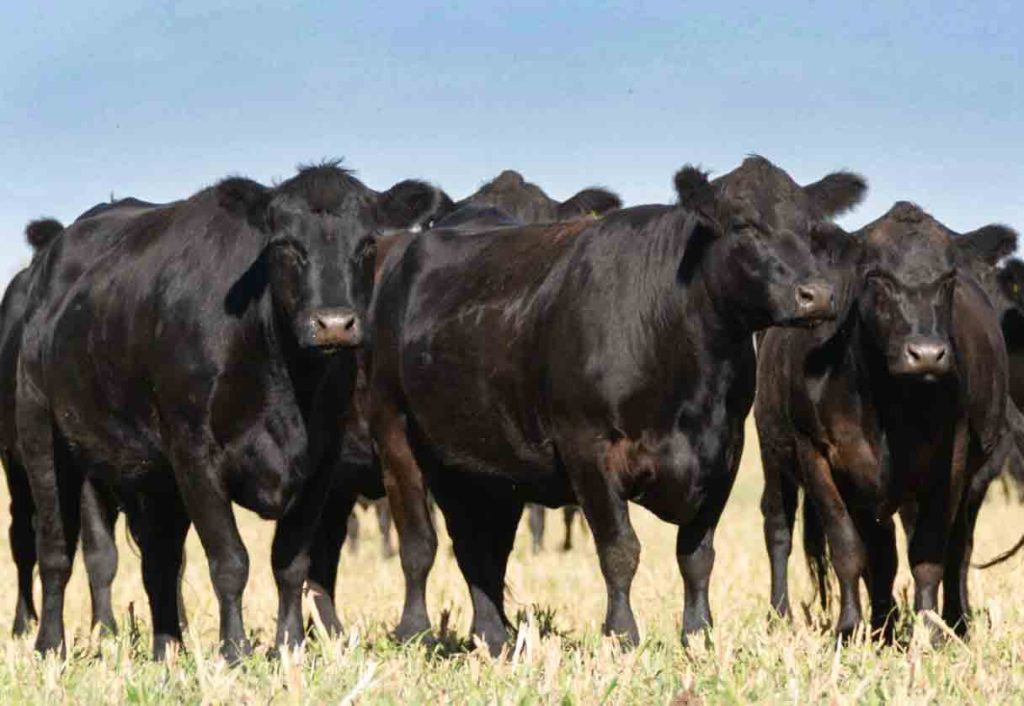
Caldwell County consumers heading to the grocery store for hamburger meat, steaks, roasts or brisket are paying noticeably more for beef, and agriculture economists say the forces driving those prices are unlikely to disappear quickly. The increase is part of a nationwide trend that has been especially significant in Texas, where cattle production is a major part of the agricultural economy and beef remains a staple both at home and in restaurants.
According to the U.S. Bureau of Labor Statistics, beef and veal prices in July were 9.4 percent higher than they were a year earlier. Ground beef was up 9 percent; beef roasts were 13.5 percent higher and uncooked steaks were up 9.6 percent compared with July 2025. Those increases stand out against overall grocery inflation and are being driven largely by one basic economic problem: there are fewer cattle available to produce beef.
The U.S. Department of Agriculture reported 28.5 million beef cows nationwide as of July 1, down 1 percent from the previous year. The 2026 calf crop is estimated at 32.5 million head, 2 percent below 2025. USDA economists have described the cattle herd as being near its lowest level in decades. The shrinking herd did not happen overnight. Several years of drought across Texas and other major cattle-producing states forced ranchers to make difficult decisions. When grass disappears and stock tanks decline, producers must purchase hay and supplemental feed or reduce the number of animals they are carrying.
Many chose to sell cows. That helped put beef into the supply chain in the short term, but it also reduced the number of breeding cows available to produce the next generation of calves. The effects are now showing up at sale barns, feedlots, processing plants and eventually supermarket meat counters.
Drought remains an important part of the equation in Texas. Texas A&M AgriLife reported earlier this year that Central Texas was running well below normal rainfall, increasing demand for hay and supplemental feed. Continued dry conditions make it more difficult for ranchers to begin rebuilding their herds.
Unlike poultry or pork production, the beef supply cannot be increased quickly. A rancher who decides today to keep a heifer for breeding rather than sell her must wait until she is mature enough to breed, carry a calf for roughly nine months and then raise that calf until it is ready to move through the beef production system. That means rebuilding the national herd can take several years.
It also creates another short-term problem. When cattle prices are high and ranchers finally begin rebuilding, more young females may be kept on ranches as replacement cows rather than sent into the beef supply. That is necessary to increase future cattle numbers, but it can further tighten beef supplies in the meantime. Texas A&M AgriLife Extension economist David Anderson has warned that the nation is likely to produce less beef in the near term and that drought continues to make herd expansion difficult. Cattle prices, he said in an August market analysis, may not have reached their peak.
Another factor affecting supply this year has been the New World screwworm. The livestock pest prompted the USDA to close southern ports of entry to livestock trade, interrupting the flow of feeder cattle from Mexico into the United States. As of mid-August, southern livestock ports remained closed, although the USDA announced plans to begin a phased reopening with the Douglas, Arizona, port scheduled to reopen Aug. 24 if disease-control conditions are met.
Mexican cattle are only one part of the overall U.S. beef supply, but when cattle numbers are already tight, losing another source of feeder animals adds pressure to an already constrained market. At the same time, Americans have continued buying beef despite the higher prices.
The USDA Economic Research Service said consumer demand has remained strong even as wholesale beef prices reached unusually high levels. Strong demand combined with limited supply provides little incentive for prices to fall dramatically. The USDA currently forecasts beef and veal prices to increase about 10.7 percent overall in 2026. Farm-level cattle prices are projected to rise 11.6 percent, while wholesale beef prices are forecast to increase about 10.6 percent.
Those wholesale and cattle-market increases eventually work their way through the food chain. A higher-priced calf becomes a more expensive feeder animal. The feedlot must pay for feed, labor, veterinary care and other expenses before the animal reaches a processor. Processing, transportation, refrigeration, labor and retail costs are then added before the package reaches a grocery store.
For local restaurants, particularly barbecue restaurants that depend heavily on brisket and other beef cuts, higher wholesale prices can also squeeze operating margins. Businesses are left with the choice of absorbing some of the additional expense or passing at least part of it along to customers. There are signs of movement within the cattle industry, but consumers should not expect the beef market to return quickly to prices seen several years ago.
USDA’s latest cattle outlook raised its projected 2026 price for slaughter steers to $251.10 per hundredweight, reflecting continued tight cattle supplies. The agency has also lowered its expectations for beef production as fewer animals move through the system.
The long-term solution is straightforward but slow: more cows producing more calves. For that to happen, ranchers need adequate rainfall, healthy pastures, manageable feed costs and enough confidence in future market conditions to keep replacement females rather than sell them. Until the national herd begins a sustained rebuilding process and more cattle eventually reach feedlots and processors, tight supplies are expected to continue supporting higher prices.
For Caldwell County consumers, that means the higher price of burgers, steaks, roasts and brisket is not being caused by a single event. It is the result of several years of drought, a historically small cattle herd, expensive production conditions, fewer calves, disrupted cattle imports and continued strong demand for beef. And because raising cattle is measured in years rather than months, relief at the meat counter may take time.