Fragrant plants may discourage scorpions around Texas homes
By Anthony Collins
LPR Editor
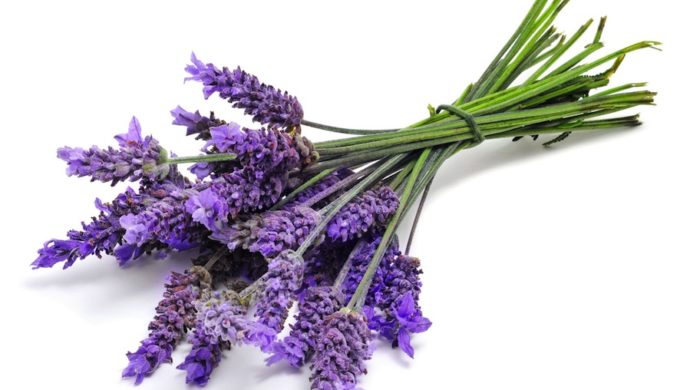
As summer temperatures rise across Texas, scorpions become more active around yards, garages, patios and homes. Some gardeners are turning to strongly scented herbs and flowers as a natural way to make outdoor spaces less inviting to the unwanted visitors.
Lavender, rosemary, mint, citronella grass, sage, marigolds and garlic are among the plants commonly suggested for this purpose. Their noticeable fragrances are believed by some gardeners to discourage scorpions and other pests, although they should not be considered a proven replacement for traditional prevention methods.
Lavender and rosemary are especially well suited for sunny Texas landscapes. Both prefer well-drained soil and can tolerate dry conditions once established. They may be planted along walkways, around patios or in containers near doors.
Rosemary also remains green throughout much of the year and can be used for cooking. Lavender provides purple blooms that attract bees and butterflies while adding fragrance and color to the yard.
Mint produces a particularly strong aroma, but gardeners should use caution when planting it. Mint spreads quickly through underground runners and can take over flower beds. Growing it in pots allows homeowners to place the plants near porches, doors and outdoor seating areas without allowing the roots to spread.
Citronella grass offers another option for gardeners seeking a bold landscape plant. The tall, clumping grass produces a lemon-like fragrance and can grow several feet high. Because it may be damaged by cold weather, gardeners in cooler areas may prefer to grow it in containers that can be protected during winter.
Sage is another heat-tolerant choice. Depending on the variety, sage can produce attractive purple, red or pink flowers while requiring relatively little water. Marigolds provide bright yellow and orange blooms and have a sharp scent that becomes more noticeable when the leaves are touched.
Garlic may also be planted during the cooler months. Its strong sulfur-like odor has led some gardeners to use it around vegetable beds and landscape borders while also producing bulbs for the kitchen.
Although fragrant plants can make an attractive addition to the landscape, pest-management experts place greater emphasis on removing the conditions that attract scorpions. Texas A&M AgriLife Extension reports that scorpions are common throughout most of Texas, with the striped bark scorpion being the state’s most common and widespread species. Its sting can cause pain, swelling, itching or numbness, although Texas species are generally not considered deadly to humans.
Scorpions are nighttime predators that feed on insects, spiders and other small creatures. They commonly hide during the day beneath rocks, boards, loose tree bark, firewood and piles of debris. Homeowners can reduce scorpion activity by moving firewood, lumber and stacked bricks away from the house. Rocks, boards, leaves and other clutter should also be removed from areas near the foundation. Cracks around doors, windows, pipes and utility openings should be sealed. Weather stripping and properly fitted door sweeps can help close gaps that scorpions may use to enter a home. Outdoor lights can also attract moths, crickets and other insects that provide food for scorpions, so unnecessary lighting near doors and windows should be reduced.
Fragrant plants may provide color, cooking herbs and pleasant aromas, but homeowners should treat them as one small part of a broader prevention plan. Keeping the yard clean, limiting insect prey and sealing possible entry points remain the most dependable ways to reduce unwanted encounters with scorpions.